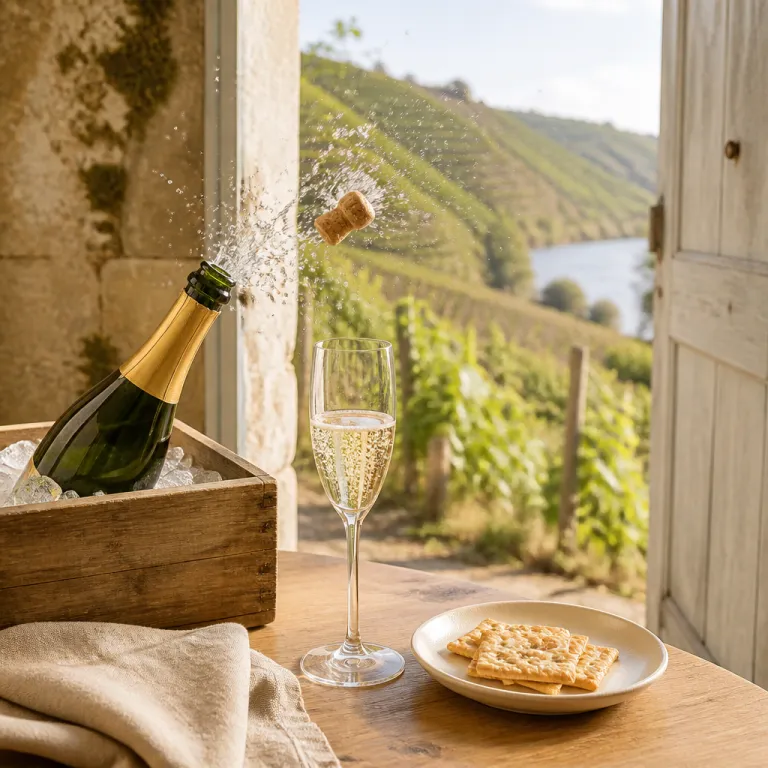
Moselle wine tasting in Luxembourg’s quietest valley
Moselle wine tasting in Luxembourg rewards travelers who prefer calm river landscapes to crowded city terraces. Along the gentle Moselle river, you find a compact wine region where vineyards, wineries and small town quays sit within walking distance, creating a rare countryside retreat that still feels connected to Luxembourg City. For a luxury focused stay, this valley offers refined hotels, serious wines and a slower rhythm that pairs well with solo exploration.
The Moselle region is Luxembourg’s only wine growing area, with around 1,200 hectares of vines running from Schengen to Wasserbillig.[1] That scale keeps the valley intimate; you can visit several domaines in one day, taste Crémant de Luxembourg, still wines and traditional-method sparkling cuvées, then be back at your hotel before dinner. For travelers comparing wine regions, the Luxembourg Moselle valley on the Luxembourg side feels more personal than many larger European wine areas, yet the quality of local wine and Moselle bottlings is consistently high.
Local producers such as Domaines Vinsmoselle, Domaine Schram and Caves René Bentz anchor the scene with a mix of traditional and organic approaches.[2] Official tourism guidance answers common questions clearly and reassuringly; “What is Crémant de Luxembourg? A traditional-method sparkling wine from Luxembourg. When is the Crémant Festival? Dates vary by year; check the latest programme with the national wine board or local tourist office.[3] Are tours available in English? Yes, most wineries offer English tours.” During a recent harvest, one cellar master summed it up simply: “We make cool-climate wines with precision, not power.” For anyone planning to visit Luxembourg for wine tasting, that means you can move confidently between each domaine viticole, compare different wines and find your personal favourite Moselle style without language barriers.
The essential Moselle cellars for serious Crémant and Riesling
Several cellars along the Moselle wine route stand out for travelers who care about both terroir and hospitality. Domaine Mathis Bastian, set above the town of Remich, pours precise Riesling and Pinot Gris that show why this wine region excels with cool climate grapes.[4] Expect aromas of citrus zest, white flowers and wet stone, with a clean, saline finish. Their terrace looks over the valley, so your wine tasting comes with a river panorama that feels far removed from Luxembourg City, even though the city is less than an hour away by car or bus.
In Grevenmacher, Caves Bernard Massard offers one of the most polished Crémant experiences in the Luxembourg Moselle.[5] The cellars sit almost at river level; you walk from the Moselle promenade straight into the cool, dimly lit caves, where guided tours explain how sparkling wine is made using the traditional method. A typical visit runs 60–75 minutes, with tastings starting around €12–€18 per person for three to five wines. Tastings here usually include several Crémant de Luxembourg cuvées and still wines, giving a clear sense of how Luxembourg wine balances freshness, minerality and fruit.
Further along the route, Domaine Cep d’Or and Domaine Alice Hartmann reward a more focused visit. Cep d’Or, near the town of Machtum, is known for structured wines that age gracefully, while Alice Hartmann in Wormeldange has a cult following for refined Crémant and single vineyard bottlings.[6] Ask to taste at least one named cuvée, such as a vintage Crémant or a single parcel Riesling, to understand how steep slate slopes shape the wine. If you are traveling with children or planning a mixed itinerary, pairing these cellar visits with a half day of soft adventure from the city works well; guides to what to do with kids in Luxembourg that are worth a half day from the centre often suggest Moselle river walks and easy cycling between vineyards, which fit neatly around pre booked tastings.
Walking the wine route: cellar to cellar along the river
One of the quiet luxuries of Moselle wine tasting Luxembourg style is how compact the landscape feels underfoot. Between Remich, Wormeldange and Grevenmacher, the official wine route follows the river for roughly 25 kilometres, with vineyards rising steeply above the road and cycle path.[7] You can design a day where you walk or bike between wineries, stop for a tasting at a domaine viticole, then continue along the water to your next appointment.
From Remich to Wormeldange, expect gentle gradients and wide views across the Luxembourg side of the valley and the German bank. Distances between caves and domaines are often two to five kilometres, which means you can visit several wineries without ever needing a car, provided you book tours in advance and check opening hours. As a rule of thumb, many estates open Tuesday to Saturday, late morning and mid afternoon, with last tastings starting around 16:00–16:30. Simple tools such as tasting notes, spittoons and clear signage in English make it easy for solo travelers to manage their own route and compare different Moselle wines without rushing.
Grevenmacher works well as a base if you want a slightly livelier town feel while still waking up close to the vineyards. From here, you can walk to Caves Bernard Massard, then follow the wine route upstream, or take a short drive to lakeside elegance at the historic Eden au Lac in Echternach for a refined stay that combines water, forest and wine country.[8] This pattern of staying in one luxury property, then using the Moselle region as your daily playground, suits travelers who want countryside retreats without sacrificing polished service, spa time or access to the best restaurants in the wider Luxembourg area.
Where to stay: riverside luxury and vineyard retreats
Choosing the right hotel shapes how you experience Moselle wine tasting in Luxembourg. Along the river, you find a mix of classic grand hotels in Remich, discreet guesthouses above the vineyards and design forward addresses in nearby Luxembourg City that work as urban bases for day trips. For a countryside retreat, look for properties that sit either directly on the promenade or on the first slopes above the vines, where morning light hits the terraces before the town wakes.
Remich offers the widest range of riverfront stays, many with terraces facing the valley and easy access to boat piers, cycle paths and nearby wineries. Wormeldange and Grevenmacher feel quieter, but they place you closer to domaines such as Alice Hartmann, Cep d’Or and Domaines Vinsmoselle, which is the largest producer of wine and Crémant in Luxembourg.[2] If you prefer to sleep in the city and treat the Moselle region as a day trip, a new generation of luxury hotels in Luxembourg City, including landmark restorations such as the former Hôtel Alfa near the main station now reborn as a high-end address, gives you fortress views at night and quick access to the wine route by day.[9]
Wherever you stay, confirm that reception can help you find and book tastings at local caves and arrange transfers if you do not want to drive after wine tasting. Many high end properties now curate small group excursions focused on Crémant de Luxembourg, organic wine production and sustainable viticulture, often in partnership with domaines such as Domaine Schram or Caves René Bentz. Expect half day outings to start around €60–€90 per person, including transport and two tastings. That level of concierge support turns a simple visit Luxembourg weekend into a structured exploration of the Moselle wine region, with every transfer, tasting and table reservation handled quietly in the background.
Crémant, cuisine and planning a Moselle focused itinerary
Crémant de Luxembourg sits at the heart of the Moselle wine story, and it deserves a dedicated session in your itinerary. This traditional method sparkling wine often rivals more famous names at a fraction of the price, especially when you taste it in the cool caves where it was aged on lees. Many wineries now experiment with organic Crémant and single parcel bottlings, giving you a chance to compare styles across the region and understand how different slopes, soils and grape varieties shape the final wines.
Gastronomy along the Moselle river has caught up with the quality in the cellars, which means you can plan lunches and dinners that showcase both local wines and seasonal produce. In Remich and Grevenmacher, riverside restaurants pair freshwater fish, game and vegetable driven menus with flights of Luxembourg wine, including Riesling, Pinot Gris, Auxerrois and Crémant from Domaines Vinsmoselle and smaller domaines. A three course lunch with paired glasses typically ranges from €35–€55 per person, depending on the address. During peak periods, a wine festival or village event may add extra energy to the town, so booking both tastings and tables in advance is essential if you want the best seats and calm service.
For a balanced Moselle wine tasting Luxembourg trip, aim for one structured tour per day, plus one or two shorter tastings that you can reach on foot along the wine route. Use mornings for vineyard walks while the valley light is soft, then retreat to your hotel spa or river terrace during the warmest hours before an evening visit to a winery or caves. Simple habits such as wearing comfortable shoes, using tasting notes and alternating Crémant, still wines and water will keep your palate fresh, so each glass of Moselle wine feels as precise and rewarding as the first.
FAQ
What is special about moselle wine tasting in Luxembourg compared with other regions ?
Moselle wine tasting in Luxembourg is unusually compact, because the entire wine region runs along a short stretch of the Moselle river between Schengen and Wasserbillig.[1] Distances between vineyards, wineries and towns are small, so you can visit several domaines in one day without long transfers. The focus on Crémant de Luxembourg and cool climate white wines also gives the valley a distinct profile compared with many other European wine regions.
Do I need to book Moselle cellar tours in advance ?
Advance booking is strongly recommended for most Moselle wineries, especially if you want guided tours in English or structured tastings of Crémant and premium Luxembourg wine. Many domaines operate with limited staff and may only open their caves for confirmed appointments, particularly outside peak weekends or wine festival periods. Contacting Domaines Vinsmoselle, Caves Bernard Massard or smaller domaines by email a few days ahead usually secures a slot.
Can I visit Moselle vineyards from Luxembourg City without a car ?
Reaching the Moselle region from Luxembourg City without a car is feasible using regional buses and occasional train connections to towns such as Remich and Grevenmacher.[10] As an example, a weekday morning bus from Luxembourg Gare Centrale to Remich typically takes about 40–50 minutes, with departures roughly every 30 minutes. Once in the valley, you can walk or cycle along the wine route, which closely follows the river and links many wineries and villages. Some luxury hotels and tour operators also offer private transfers or small group excursions focused on Moselle wine tasting Luxembourg experiences.
Which Moselle towns are best for a wine focused stay ?
Remich suits travelers who want the widest choice of riverfront hotels, restaurants and easy access to boat trips and nearby caves. Wormeldange and Grevenmacher feel quieter but place you closer to renowned domaines such as Alice Hartmann, Cep d’Or and Caves Bernard Massard, making them ideal for intensive wine tasting days. All three towns sit within the core Luxembourg Moselle wine region, so you can easily reach other villages and vineyards along the valley.
Is Crémant de Luxembourg only produced by large wineries ?
Crémant de Luxembourg is produced by both large cooperatives and smaller family owned domaines throughout the Moselle valley. Domaines Vinsmoselle remains the largest producer, but estates such as Domaine Mathis Bastian, Domaine Alice Hartmann and Caves Bernard Massard all craft distinctive sparkling wine styles.[2][4][5][6] Many wineries now offer tastings that compare different Crémant cuvées, allowing visitors to understand how grape variety, ageing and terroir influence the final wine.
Sources (accessed 2024): [1] Vinsmoselle & Luxembourg National Tourist Office – overview of Luxembourg Moselle vineyards; [2] Domaines Vinsmoselle – producer profile and scale; [3] Wines of Luxembourg / national wine board – annual Crémant events calendar; [4] Domaine Mathis Bastian – estate wines and grape varieties; [5] Caves Bernard Massard – visitor information and Crémant production; [6] Domaine Alice Hartmann & Domaine Cep d’Or – winery profiles; [7] Luxembourg Moselle wine route maps – official distance and route; [8] Eden au Lac Echternach – hotel history and lakeside location; [9] Luxembourg City hotel listings – redevelopment of the former Hôtel Alfa; [10] Mobilitéit public transport planner – bus and train connections between Luxembourg City and Moselle towns.