The loaded history behind hotel alfa luxembourg
Hotel Alfa Luxembourg sits at 16 Place de la Gare, facing the train station that has long been the southern gateway to Luxembourg City. The building opened as the original grand hotel alfa in 1932, immediately anchoring the gare district with its confident art deco façade and generous proportions. From the start it was a luxembourg hotel that signalled the grand duchy’s ambition to host international visitors with wonderful hospitality and a distinctly European sense of style.
Across the decades, the hotel welcomed business travellers, diplomats and grand ducal guests who treated the lobby as an informal salon for the city. Local residents still talk about the brasserie alfa of earlier years, when the brasserie was a meeting point between the station platforms and the banking streets that climb towards the old town. That living cultural memory is a crucial part of the property’s legacy, and it explains why this particular hotel in luxembourg became more than just another address among the many hotels luxembourg has added since.
The state eventually classified the building as a national monument, recognising its art deco architecture and its role in the city’s international story. When ownership disputes forced the hotel alfa to close its doors in the late 2010s, the darkened windows opposite the train station felt like a missing tooth in the gare district streetscape. For frequent guests of luxembourg hotels, the closure underlined how fragile even the best known properties can be when legal and financial structures fail to align with cultural value.
From closure to comeback: why the alfa reopening matters now
The years when hotel alfa luxembourg stood closed were unusually visible, because every arriving train passenger saw the shuttered façade before anything else in the city. For a national monument in the capital of the grand duchy, that prolonged silence felt at odds with Luxembourg’s global reputation for efficiency and international connectivity. Behind the scenes, ownership disputes delayed any new opening, while the building’s protected status limited what developers could do without compromising its art deco character.
When Marriott International finally stepped in with a clear vision, the path opened for a full restoration that respected both heritage and contemporary expectations. The decision to relaunch the property as Luxembourg Marriott Hotel Alfa signalled that this would not be a generic marriott hotel dropped into the gare district grid. Instead, the project brief asked the design and development teams to blend historical architecture with modern sustainability standards, aligning the alfa with global trends in luxury hotels that favour thoughtful renovations over anonymous new builds.
For business travellers who extend their stays into leisure, this comeback changes how they can use the city as a base. The new luxembourg marriott sits at the hinge between the financial core, the grand ducal institutions and the international quarter, which makes it a strategic choice for the business leisure traveller described in our analysis of why Luxembourg keeps outperforming its size for the business leisure traveler. In practice, that means marriott bonvoy members can now earn and redeem points at a property that feels rooted in local cultural history, rather than at an interchangeable stop on a global circuit of hotels.
Inside the design: art deco bones, contemporary luxembourg rhythm
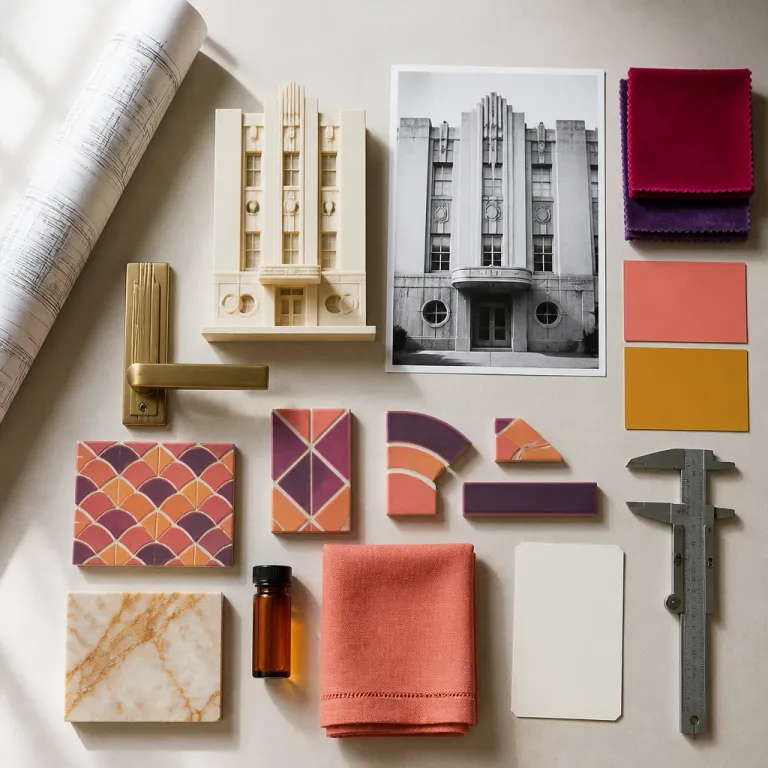
The reborn hotel alfa luxembourg carries its 1932 art deco structure with quiet confidence, rather than theatrical nostalgia. Iria Degen Interiors, the Swiss firm leading the renovation, worked with cultural heritage experts and local artisans to retain original architectural elements wherever possible. In the public spaces, that means terrazzo floors, geometric ironwork and grand staircases that speak fluently of the interwar optimism that shaped this part of luxembourg city.
Guest rooms in the Luxembourg Marriott Hotel Alfa are calibrated for the business traveller who also cares about tactility and light. Expect clean lined furnishings, generous desks and layered lighting that respects the building’s proportions, instead of forcing a generic marriott template onto the art deco shell. The result is a set of rooms and suites that feel more like a considered European city residence than a standardised stopover, even though the hotel offers all the international connectivity and technology that global guests now assume as basic.
On the ground floor, the new brasserie alfa revives the idea of a brasserie as a social hinge between station, city and hotel. Menus lean into local produce and cultural references, while the interior design uses subtle art pieces and deco inspired detailing to echo the building’s legacy without turning it into a museum. Families will appreciate that these generous public spaces also work for multi generational stays, complementing other family friendly luxury in Luxembourg City properties that work with kids without compromising the parents elsewhere in the capital.
Sustainability, technology and the business leisure mindset
Behind the restored façade of hotel alfa luxembourg, the technical infrastructure is entirely contemporary and aligned with current sustainable design benchmarks. Energy efficient systems, improved insulation and intelligent building management help reduce consumption, bringing the property in line with the growing share of hotels worldwide that pursue recognised sustainability certifications. For the frequent flyer who tracks their own environmental impact, staying at a luxembourg hotel that has invested in such systems is no longer a niche preference but an expectation.
Marriott International has used the reopening of the Luxembourg Marriott Hotel Alfa to showcase how a heritage listed building can still meet the needs of a hyper connected business audience. Meeting rooms are wired for hybrid events, guest rooms support seamless device pairing and the lobby is designed as a flexible workspace rather than a mere transit zone. In this context, marriott bonvoy members gain more than points ; they gain a base in luxembourg city that understands how business and leisure now blend across a single stay.
For travellers comparing hotels luxembourg wide, the alfa’s mix of legacy and innovation stands out. You can step off a train at the main station, cross the square and be in your room within minutes, yet still feel part of a grand narrative that links the grand ducal institutions with the city’s international role. That combination of convenience, cultural depth and wonderful hospitality is what turns a simple list of hotel offers into a meaningful choice for repeat guests.
Location, legacy and how to use the alfa as your city base
Hotel Alfa Luxembourg occupies one of the most strategic corners in the grand duchy, directly opposite the main train station and at the threshold of the gare district. From here, trams and buses fan out towards the UNESCO listed old town, the grand ducal palace and the Kirchberg plateau with its European institutions. For international guests arriving by rail from Paris, Brussels or Frankfurt, the short walk across Place de la Gare is often the first physical contact with luxembourg city.
Using the Luxembourg Marriott Hotel Alfa as a base allows you to structure your days with unusual efficiency. Morning meetings in the business districts are a short tram ride away, while evening walks can lead you through the Pétrusse valley towards the Grund, or up to the grand ducal quarter for a different perspective on the city’s layered topography. On a longer stay, you can easily connect from the train station to the north of the country for a weekend in Clervaux, where our guide to a weekend in Clervaux, castle, abbey and the Family of Man exhibition shows how compact rail journeys open up the wider landscape.
Within the hotel itself, public areas are designed to encourage both planned and serendipitous encounters. Brasserie Alfa spills gently towards the square, creating a visual link between local residents and international guests who use the bar as an informal office or a pre train meeting point. In this way, the alfa’s legacy as a social hub is renewed, and the property once again becomes one of the best located hotels in luxembourg for travellers who value both connectivity and cultural immersion.
The alfa in the wider marriott and luxembourg hotel landscape
Within the portfolio of Marriott International, the Luxembourg Marriott Hotel Alfa occupies a particular niche as a heritage led city property rather than a purpose built convention hotel. It allows marriott to show how a global brand can adapt to local cultural contexts, instead of imposing a single design language across all hotels. For marriott bonvoy members, that means the alfa feels distinct from other marriott hotel addresses in the region, while still delivering the service standards and digital infrastructure they expect.
Across the wider luxembourg hotel scene, the reopening raises the bar for how national monument buildings can be reactivated. Heritage restorations are not new in the grand duchy, but few sites sit as prominently in the daily life of luxembourg city as this one opposite the train station. By choosing to blend historical architecture with contemporary art and design, the alfa demonstrates that hotels in luxembourg can honour their legacy while still speaking to a global audience of design literate travellers.
The story also resonates with a broader shift in how travellers research and share experiences. Guests now move fluidly between official channels, loyalty apps and social platforms such as Facebook and Instagram when they evaluate hotel offers and compare different hotels luxembourg wide. In that environment, a property that combines strong architecture, thoughtful interiors and consistently wonderful hospitality will generate its own momentum, as returning guests treat the alfa not just as a place to sleep but as a recurring chapter in their personal map of the city.
FAQ
What is the history of the Luxembourg Marriott Hotel Alfa ?
What is the history of the Luxembourg Marriott Hotel Alfa? Opened in 1932, it has hosted notable events and figures. The building later gained protection as a national monument, and after a period of closure linked to ownership disputes, it has been restored as a contemporary hotel that respects its original art deco character.
Who led the recent renovation of the hotel ?
Who led the recent renovation of the hotel? Iria Degen Interiors spearheaded the restoration. The Swiss design firm worked with local artisans and cultural heritage specialists to preserve key architectural elements while integrating modern systems and amenities.
What amenities does the renovated hotel offer ?
What amenities does the renovated hotel offer? Modern rooms, fitness center, meeting spaces, and dining. In practice, that means well equipped guest rooms for business and leisure stays, flexible event spaces for corporate gatherings and a brasserie that serves as both restaurant and social hub.
Why is the hotel considered a national monument in Luxembourg City ?
The property is considered a national monument because of its 1932 art deco architecture and its long standing role in the social and economic life of Luxembourg City. Its location opposite the main train station and its historic status as a grand meeting point for residents and international visitors give it cultural significance beyond that of a typical city hotel.
How convenient is the location of the Luxembourg Marriott Hotel Alfa for travellers ?
The hotel stands directly across from Luxembourg’s main train station, which makes arrivals and departures by rail particularly efficient. From this gare district location, guests can reach the old town, the business districts and the European institutions by tram or bus within minutes, while the airport is accessible via a straightforward public transport connection or a short taxi ride.