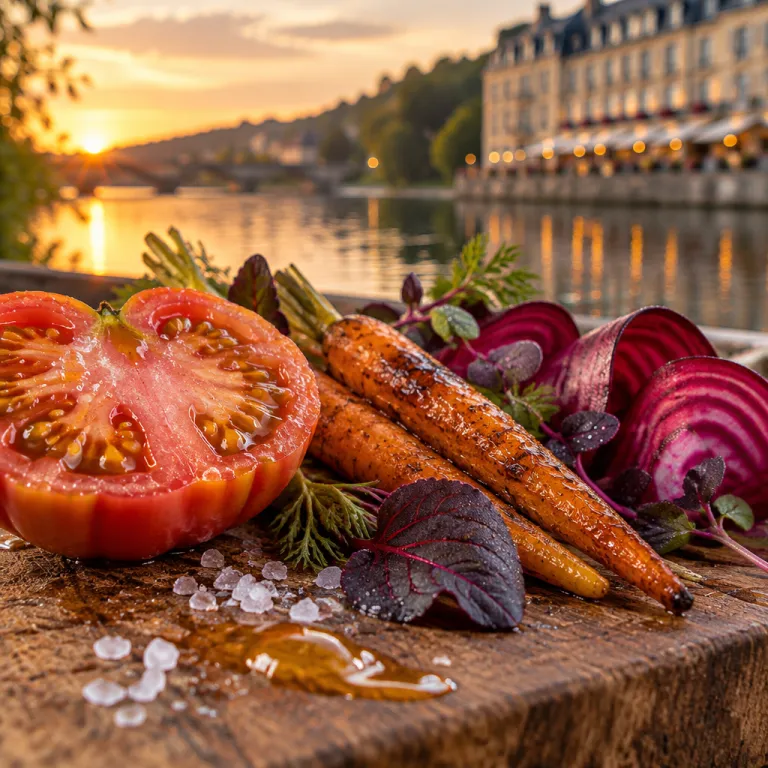
Why a sustainable hotel in Luxembourg is perfectly placed for real farm-to-table
Luxembourg is small enough that a sustainable hotel in Luxembourg can genuinely know the farmer, the cheesemaker and the vintner behind every plate. In this compact grand duchy, sustainability is not an abstract concept but a daily logistics choice, because the farm, the vineyard and the forest sit less than 30 kilometres from most hotels in Luxembourg City. For solo guests who care about where food comes from, that scale quietly transforms a simple stay into a grounded, eco conscious experience.
When you choose any luxury hotel Luxembourg property along the Moselle river, you are often eating in the same valley where the grapes were grown and the vegetables were pulled from the soil. That proximity reduces transport related carbon emissions and lets chefs work with ingredients at their peak, which is why the best hotel restaurants here talk about sustainability and terroir in the same breath. A sustainable hotel in Luxembourg that takes this seriously will show you which producers created the cheeses, the charcuterie and the wines, instead of hiding behind vague eco friendly slogans.
Look closely at how a Luxembourg hotel describes its restaurant and you will quickly see whether sustainability is a headline or a habit. Properties that treat eco commitments as marketing rarely mention specific farms, while truly sustainable hotels list named growers from the Gutland, the Moselle and the Oesling on their menus. For a solo traveller choosing a place to stay, those details matter more than any generic promise of an excellent spa or a royal style lobby.
Location is another quiet advantage for a sustainable hotel in Luxembourg, especially if you want to explore on foot or by tram. In Luxembourg City, staying near the Luxembourg centre or the historic plateau du Saint Esprit means you can walk between your hotel, the Grund quarter and the Alzette river paths without relying on taxis. That convenient geography lets guests cut their carbon footprint while still enjoying Michelin dense dining, riverside cafés and the grand ducal palace views.
Even if you are tempted by a hostel in Luxembourg or a youth hostel near the station, the same logic applies ; the closer your place to stay is to the tram lines and pedestrian streets, the easier it becomes to live car free for a weekend. Some sustainable hotels and even a few design forward hostel Luxembourg options now publish public transport tips alongside their room descriptions, which is a subtle but telling sign of real sustainability thinking. Whether you book a five star property or a stylish hostel, the most eco friendly choice in this country often starts with the map.
Luxembourg’s river valleys and compact capital have also created a new generation of chefs who move easily between fine dining hotels and countryside inns. Many of them trained in grand ducal institutions before returning to smaller properties, bringing with them a respect for precise technique and a commitment to local sourcing. When you sit down in a hotel restaurant that talks about sustainability here, you are often tasting the work of a chef who knows the winemaker by first name and has walked the orchards that supply the kitchen.
How to read a Luxembourg hotel menu for real sustainability, not greenwashing
Menus in a sustainable hotel in Luxembourg can look deceptively simple, yet every line tells a story about sourcing. When you open a card in one of the better hotels Luxembourg has along the Moselle or in Luxembourg City, look for specific farm names, village references and seasonal markers next to each dish. A menu that only uses generic terms like local vegetables or eco friendly produce without naming producers usually signals marketing rather than deep sustainability.
True sustainable hotels in Luxembourg tend to organise their menus around the landscape rather than around abstract luxury. You might see Moselle river pikeperch with Riesling from a neighbouring slope, or beef from the Éislek highlands paired with root vegetables from a named farm in the Gutland. When a hotel restaurant writes that a dish was created in collaboration with a particular cheesemaker or baker, that level of detail shows a relationship that goes beyond a one off order.
For a solo traveller, the wine list is another quick test of how serious a Luxembourg hotel is about sustainability. Properties that care about carbon impact and terroir will highlight Moselle producers, Crémant de Luxembourg and organic cuvées before they reach for distant appellations. If the by the glass selection is dominated by local estates and the staff can talk about vineyard practices, you are probably in a hotel Luxembourg restaurant where sustainability is part of the daily briefing.
Labels help, but they are only a starting point. The national EcoLabel Luxembourg, for example, certifies that a property meets defined standards on energy, water, waste and cleaning products, yet it does not automatically guarantee a fully locavore kitchen. Before you book, it is worth reading a guide to what the EcoLabel actually means for your hotel stay, such as the detailed analysis on EcoLabel Luxembourg and real green credentials, then cross checking those criteria with recent guest reviews.
Online reviews can be surprisingly sharp on food sourcing when guests pay attention. Look for excellent reviews that mention seasonal menus, named producers and staff who can explain where ingredients come from, rather than generic praise for an excellent breakfast. When multiple reviews highlight that a property created tasting menus around Moselle wines or that the chef adjusted dishes for eco conscious guests, you are likely seeing a pattern rather than a one off impression.
Even if you are comparing a hostel Luxembourg option with a higher end Luxembourg hotel, the same reading applies. Some youth hostel kitchens now work with regional suppliers and clearly label vegetarian or low carbon dishes, while certain hotels still rely heavily on imported produce despite their grand ducal addresses. Your task as a solo explorer is to read between the lines, using menus and reviews as tools to separate genuine sustainable hotels from those that simply use the language of sustainability.
Riverfront flagships: where Luxembourg’s luxury hotels meet the Moselle and the market garden
The Moselle river is where the idea of a sustainable hotel in Luxembourg becomes most tangible, because the vineyards, orchards and hotel kitchens share the same slopes. Along this gentle valley, properties like Meliá Luxembourg, Sofitel Luxembourg Europe and Novotel Luxembourg Kirchberg in the capital connect by road and tram to wine villages such as Remich and Grevenmacher in under 30 minutes. That short distance lets chefs move from morning market tastings to evening service without losing freshness or adding unnecessary carbon miles.
In Luxembourg City itself, Meliá Luxembourg and Innside by Meliá sit close to the Kirchberg plateau, with views that sweep across the Alzette valley towards the old fortifications. These hotels Luxembourg properties are not directly on the river, yet their location makes it easy for guests to reach both the Moselle and the historic centre while relying on public transport. When a sustainable hotel in Luxembourg combines tram access, river proximity and a kitchen that works with Moselle producers, the result is a stay where eco friendly choices feel effortless.
Sofitel Luxembourg Europe and Novotel Luxembourg Kirchberg share the same district, but they interpret sustainability differently through their food and beverage concepts. One might focus on refined French Luxembourgish fusion with a strong Moselle wine list, while the other leans into casual dining that highlights regional charcuterie and cheeses. For a solo traveller, this cluster of hotels in the Kirchberg area offers a convenient base to compare how different properties translate the same landscape into plates and glasses.
Wellness focused properties add another layer to the story. In the spa town of Mondorf les Bains, for example, thermal hotels have started to align their spa cuisine with broader sustainability goals, using lighter, plant forward dishes and sourcing herbal infusions from nearby growers. A detailed look at how these wellness properties handle sustainability, including their food sourcing and spa operations, can be found in analyses such as what sustainability delivers at Luxembourg’s wellness properties, which helps guests understand where the EcoLabel stops and where individual effort begins.
Even in river adjacent towns, you will notice that some properties still treat sustainability as an add on rather than a core principle. A hotel restaurant might talk about eco friendly intentions yet rely on imported asparagus in early spring, while a quieter inn down the road builds its entire menu around what the neighbouring farmer harvested that week. When choosing a place to stay by the river, ask directly about seasonal menus, local fish and whether the spa uses friendly cleaning products with low environmental impact.
For solo guests who value both wellness and gastronomy, the sweet spot is a property where the spa, the restaurant and the housekeeping team share the same sustainability language. That means a spa using regional products, a kitchen that celebrates Moselle wines and vegetables from nearby fields, and rooms cleaned with eco certified cleaning products that respect both staff health and the river ecosystem. In such a sustainable hotel in Luxembourg, the Moselle is not just a view from your balcony but a living system that shapes every decision behind the scenes.
Inside the kitchen: how Luxembourg hotels actually work with local producers
Behind the polished dining rooms of every serious sustainable hotel in Luxembourg, there is usually a chef who spends as much time in boots as in whites. These chefs drive out to the Moselle hills, the Éislek pastures and the Gutland orchards, building relationships with growers that go far beyond transactional orders. Over time, those relationships shape menus, because producers created new varieties or reserved their best harvests for kitchens that respect seasonality.
In practice, this means that many hotels Luxembourg properties now plan their menus around what the land offers rather than what global trends dictate. A chef might design a late autumn tasting menu around game from the Ardennes, apples from the Syr valley and root vegetables from a farm just outside Luxembourg City, pairing each course with Moselle wines that travel less than 40 kilometres to reach the table. When a Luxembourg hotel works this way, sustainability becomes a creative constraint that pushes the kitchen towards more distinctive, place specific dishes.
Solo travellers often underestimate how much access they have to this backstage world. Sit at the counter of a hotel restaurant or choose a seat near the open kitchen, and you will quickly see how servers talk about producers and how chefs respond to questions about sourcing. In properties where sustainability is taken seriously, staff can explain which farm supplied the lamb, why a certain vegetable is off the menu this week and how the kitchen reduces carbon impact by using the whole animal or preserving surplus produce.
Cleaning and operations matter just as much as cuisine. A truly sustainable hotel in Luxembourg will align its kitchen practices with housekeeping, using friendly cleaning products that are both effective and gentle on wastewater systems flowing eventually towards the Moselle and the Sûre. When you read about a property that has created a comprehensive sustainability plan, look for details about waste separation, composting of kitchen scraps and partnerships with local organisations that redistribute surplus food.
Not every traveller wants a full service hotel ; some prefer the informality of a hostel or youth hostel with a communal kitchen. In Luxembourg, even these simpler properties can play a role in sustainability by providing clear guidance on where to buy local produce, how to separate waste and which markets in Luxembourg City or along the Moselle are worth visiting. A hostel Luxembourg property that posts weekly lists of nearby farmers’ markets and encourages guests to cook with regional ingredients can sometimes have more real impact than a grand ducal address that talks about sustainability but imports most of its food.
Across the spectrum from luxury hotels to hostels, the most convincing sustainable hotels share one trait ; they treat local producers as partners rather than suppliers. That partnership shows up in menu language, in staff training and in the way properties talk about their role in the wider Luxembourg grand region. For a solo explorer, choosing such a place to stay means your travel budget supports a network of farmers, vintners and artisans who keep this small country’s landscapes alive.
Eating local as a solo traveller: counter seats, conversations and Luxembourg’s eco friendly city rhythm
Travelling alone in Luxembourg makes it surprisingly easy to engage with the people behind your plate, especially in a sustainable hotel in Luxembourg that understands solo guests. Counter seating in hotel restaurants, chef’s tables and bar style dining rooms all create natural spaces for conversation between guests, servers and cooks. When you sit at these vantage points, you can ask direct questions about sustainability, from carbon conscious menu design to how often the chef visits local markets.
In Luxembourg City, many of the most interesting hotel restaurants sit within walking distance of the old town, the Grund and the Kirchberg plateau, which keeps your movements compact and eco friendly. Staying in or near the Luxembourg centre means you can move between your hotel, riverside paths and wine bars without ever needing a car, especially with the country’s free public transport. That convenient rhythm lets you structure your stay around meals and markets rather than timetables and taxis.
Some properties, such as Meliá Luxembourg, Sofitel Luxembourg Europe and Novotel Luxembourg Kirchberg, have embraced this solo friendly approach with bar counters and lounge spaces that blur the line between restaurant and living room. As a guest, you can order a Moselle Riesling and a small plate of regional charcuterie, then watch the room while reading or chatting with the bartender about local producers. These hotels Luxembourg addresses become informal hubs where sustainability is not a lecture but a series of small, human exchanges.
Neighbourhood character matters too. A stay in Kirchberg offers quick tram access and contemporary architecture, while a base closer to the old town or the Pétrusse valley gives you cobbled streets and immediate access to historic cafés. If you prefer a more relaxed pace, consider a property along the Moselle where you can walk from your room to the riverbank in minutes, then cycle between villages and taste wines directly at the source. In each case, a sustainable hotel in Luxembourg will provide maps, bikes or public transport tips that help you keep your carbon footprint low.
For travellers who usually choose a hostel or youth hostel, Luxembourg offers a few properties that combine communal kitchens with thoughtful sustainability practices. These hostel Luxembourg options often share information about local markets, encourage guests to cook with regional ingredients and sometimes host small producer tastings in their common rooms. While they may not have a full spa or royal style suites, they can still function as a meaningful place to stay for eco minded explorers.
Whether you book a five star Luxembourg hotel or a design forward hostel, the key is to use your solo status as an advantage. You can eat at the bar, join conversations with staff, change plans quickly when a server recommends a new producer or a riverside inn, and shape your stay around the most sustainable options available. In a country as compact and well connected as Luxembourg, those small choices add up to a travel experience that feels both light on the planet and rich in local flavour.
Choosing between Luxembourg’s sustainable hotels: from grand ducal views to riverside calm
When you compare sustainable hotel Luxembourg options, start by deciding whether you want urban energy or riverfront quiet. In Luxembourg City, properties near the grand ducal palace and the old town place you at the heart of the country’s cultural life, with museums, Michelin starred restaurants and the Alzette valley paths all within walking distance. Along the Moselle, hotels trade skyline views for vineyards, river promenades and a slower rhythm that suits long lunches and cellar visits.
City properties such as Meliá Luxembourg, Innside by Meliá, Sofitel Luxembourg Europe and Novotel Luxembourg Kirchberg offer easy access to both the business district and the historic centre. Their location on the Kirchberg plateau means you can walk or take the tram to the Luxembourg centre, then drop down into the Grund for riverside strolls and casual wine bars. For solo guests who want a convenient base with strong public transport links, these hotels Luxembourg addresses make it simple to live car free while exploring both city and countryside.
Riverside hotels, by contrast, lean into the landscape. A sustainable hotel in Luxembourg along the Moselle will often highlight terrace dining, garden breakfasts and direct access to walking or cycling paths that follow the river for many kilometres. When a property talks about its restaurant as a place where the menu was created around daily deliveries from nearby farms and vineyards, you know that sustainability is shaping the entire stay rather than just the housekeeping checklist.
Speaking of housekeeping, do not overlook operational details when choosing where to stay. Properties that use eco certified, friendly cleaning products, manage waste carefully and invest in energy efficient systems are reducing their carbon footprint in ways that guests may not immediately see. When you read excellent reviews that mention both comfort and a sense that the property feels genuinely eco friendly, you are likely looking at a hotel that treats sustainability as a whole building commitment.
Some travellers will still prefer the social energy of a hostel or youth hostel, especially when travelling alone. In Luxembourg, a well run hostel Luxembourg property can offer private rooms, communal kitchens and shared lounges where conversations about local food and sustainable travel start naturally over breakfast. While these places may not have a full spa or a royal suite, they can still function as sustainable hotels in the broader sense, especially when they engage with local producers and promote low carbon activities.
Whichever segment you choose, use reviews as a final filter. Look for excellent reviews that mention specific sustainability practices, such as partnerships with Moselle wineries, use of regional produce in the hotel restaurant, or clear communication about carbon reduction efforts. A sustainable hotel in Luxembourg that consistently earns such feedback has likely embedded these values deeply enough that guests feel them without needing a sustainability report.
From label to lived experience: making sustainability the deciding factor in your booking
Eco labels and sustainability statements are useful, but they only matter if they translate into your daily experience in a sustainable hotel in Luxembourg. When you are weighing options on a booking site, treat certifications as a first filter, then dig into how each property talks about food, transport and operations. The goal is to find hotels Luxembourg wide where sustainability shapes your stay from breakfast to bedtime, not just the marketing copy.
Start with the basics ; check whether the Luxembourg hotel you are considering holds the national EcoLabel or other recognised certifications, then read how they describe their restaurant and spa. A property that simply lists a spa and a hotel restaurant without mentioning local sourcing, eco friendly treatments or reduced carbon initiatives may not be as committed as one that details its partnerships with Moselle producers and its use of regional wellness products. In a compact country like Luxembourg, where the farm and the vineyard are so close, there is little excuse for vague language.
Next, look at how the property situates itself within the city or the landscape. A sustainable hotel in Luxembourg City should highlight its convenient access to trams, pedestrian routes and cycling paths, while a riverside inn should talk about walking trails, boat connections and nearby villages. When a place to stay frames its location in terms of low carbon mobility rather than just parking facilities, you can sense a different mindset at work.
Guest feedback remains one of the most reliable tools. Search reviews for mentions of sustainable hotels, eco friendly practices, friendly cleaning products and staff who can explain sourcing or environmental policies. When multiple excellent reviews converge on the same themes, such as a restaurant that created seasonal menus around Moselle wines or a spa that uses regional botanicals, you can trust that sustainability is more than a slogan.
Do not forget to consider how the property feels for a solo traveller. Some hotels, such as those reviewed in depth on myluxembourgstay.com, including an elegant stay at Mama Shelter Luxembourg in the heart of Kirchberg, show how design, location and food concepts can support both independent exploration and low carbon choices. Whether you choose a grand ducal address, a design forward inn or a stylish hostel Luxembourg option, the best sustainable hotel in Luxembourg for you will be the one where every detail quietly supports the way you want to travel.
In the end, sustainability in this grand duchy is less about grand gestures and more about alignment. When the kitchen, the spa, housekeeping and the front office all share the same commitment to local producers, reduced carbon impact and eco friendly operations, your stay becomes part of a wider ecosystem rather than an isolated luxury moment. That is the real promise of a sustainable hotel in Luxembourg ; a place where eating local by the river feels not just pleasurable, but also proportionate to the landscape that makes it possible.
Key figures on sustainable hotels and farm-to-table travel
- According to the Luxembourg Ministry of the Environment, more than 80 accommodation properties now participate in national or international environmental certification schemes, showing a rapid shift towards sustainable hotels across the country.
- Data from Luxembourg for Tourism indicates that over 60 percent of international visitors spend at least one night in Luxembourg City, which makes urban hotel sustainability practices particularly influential for the country’s overall tourism carbon footprint.
- Studies from the European Environment Agency suggest that locally sourced food can reduce transport related emissions by up to 10 to 15 percent for the average meal, a figure that underpins the environmental logic of farm to table hotel restaurants along the Moselle.
- Luxembourg’s national statistics office reports that vineyards cover roughly 1 300 hectares along the Moselle, giving hotels within a short radius access to a dense network of potential wine partners for locavore menus.
- Public transport in Luxembourg has been made free nationwide, and government mobility data shows that this policy has increased tram and train usage for leisure trips, supporting hotel guests who choose low carbon ways to move between city and countryside.
FAQ about sustainable hotel stays and eating local in Luxembourg
How can I tell if a Luxembourg hotel is genuinely sustainable or just using green marketing ?
Look beyond labels and read how the property talks about food sourcing, transport and operations, then cross check this with recent guest reviews. Genuine sustainable hotels name local producers, explain their energy and waste practices and often highlight public transport access instead of parking. When multiple reviews mention the same concrete practices, such as seasonal menus or eco certified cleaning products, you can be more confident in the hotel’s commitments.
Is it easy to eat fully local when staying in Luxembourg City ?
Yes, the compact geography and strong public transport make it relatively easy to focus on local food even in the capital. Many hotel restaurants and independent bistros in Luxembourg City work closely with Moselle wineries, regional farms and artisanal producers, especially for seasonal menus. Choosing a hotel near tram lines and the historic centre lets you walk between markets, wine bars and restaurants without relying on cars.
Are hostels and youth hostels in Luxembourg also embracing sustainability ?
Several hostels and youth hostels in Luxembourg have started to integrate sustainability into their operations, particularly through waste separation, energy efficiency and information about local food options. Some hostel Luxembourg properties provide guidance on nearby farmers’ markets and encourage guests to cook with regional ingredients in communal kitchens. While facilities are simpler than in luxury hotels, these places can still offer a meaningful eco conscious base for solo travellers.
Do riverfront hotels along the Moselle offer better farm-to-table experiences than city hotels ?
Riverfront hotels have the advantage of immediate proximity to vineyards and orchards, which often translates into very short supply chains for wine and produce. However, many Luxembourg City hotels also work closely with Moselle and countryside suppliers, thanks to the short travel distances within the country. The best approach is to compare menus and ask directly about producer relationships rather than assuming one location is always better.
What role does the national EcoLabel play when choosing where to stay ?
The national EcoLabel Luxembourg indicates that a property meets defined standards on energy, water, waste and cleaning products, making it a useful first filter when searching for sustainable hotels. However, the label does not automatically guarantee a fully locavore kitchen or specific farm to table practices. Use it as a starting point, then investigate how each hotel handles food sourcing, transport access and guest engagement with local producers.