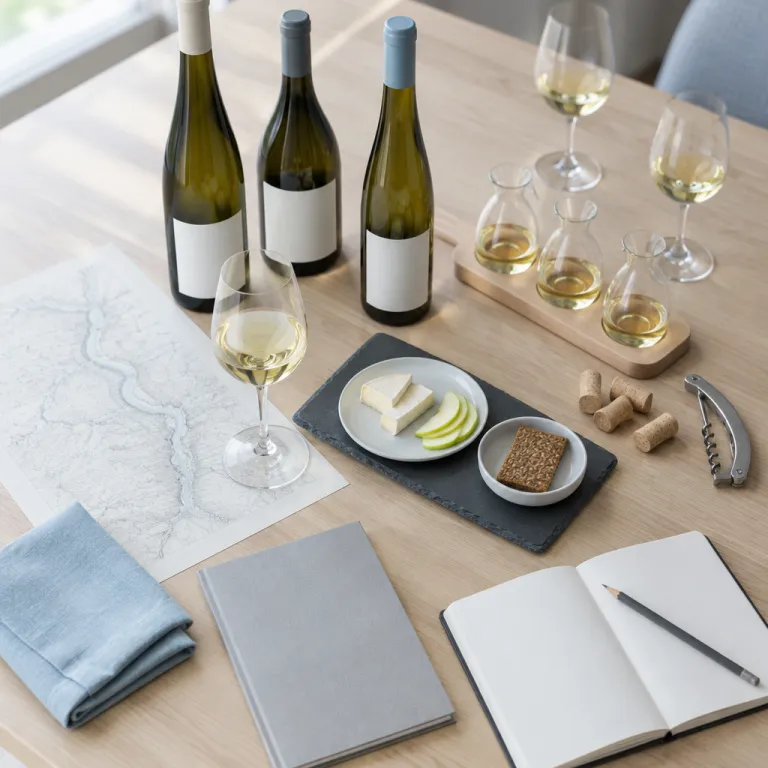
Why Moselle driven lists now define serious hotel dining in Luxembourg
In the grand duchy, a serious wine list now starts with Luxembourg Moselle rather than ending there as a polite afterthought. When a hotel restaurant builds its pairings around luxembourg wine pairing from the Moselle wine region, it signals a kitchen that understands how local grapes and precise cooking can elevate each other across a long evening. For travelers booking a premium stay in Luxembourg City or along the Moselle river, that focus on regional wines quietly separates a competent dining room from one that truly merits a detour.
Look first at how deeply the list engages with grape varieties such as Riesling, Pinot Blanc, Pinot Gris and Auxerrois, because this variety tells you whether the sommelier treats the Moselle valley as a serious cellar rather than a patriotic gesture. A thoughtful hotel team will pour white wines from domaines like Domaines Vinsmoselle alongside independent producers, then contrast them with structured red wines from cooler parcels to show how the region has moved beyond simple riverside quaffing. When the sommelier can explain why one particular Moselle wine works better with aged cheese while another white from a different slope flatters river fish, you are in the right dining room.
Luxembourg wine production is compact compared with neighbouring Germany or France, yet the best hotel lists use that scale as an advantage for luxembourg wine pairing rather than a limitation. They lean into the marque nationale quality label to reassure international guests, then move quickly to individual terroirs, single grape plots and older sparkling wine cuvées. For guests who visit Luxembourg with limited time between meetings, this kind of curated immersion in Moselle wines inside the hotel becomes the most efficient way to understand the valley Luxembourg landscape without ever leaving the dining room.
Reading the list: how to drink Luxembourgish, not default Burgundy
When you sit down in a luxury hotel dining room in Luxembourg, the easiest move is to slide straight to Burgundy or Champagne on the list. The more rewarding move for a curious palate is to ask the sommelier to build a full luxembourg wine pairing around Moselle wines, using local grapes as the backbone from apéritif to digestif. That single request instantly changes the conversation from safe international labels to a tour of the Moselle river slopes and the valley Luxembourg vineyards that define the country’s wine identity.
Start with cremant Luxembourg or another local sparkling wine instead of imported sparkling options, because these bottles often come from the same grape varieties that will follow you through dinner. A well trained sommelier will contrast a bright Pinot Blanc based Crémant with a richer Pinot Gris blend, explaining how the best producers handle grapes to keep the mousse fine and the fruit precise. Names such as Bernard Massard or Domaines Vinsmoselle appear frequently on these lists, but the real pleasure lies in comparing their different cuvées across several wines rather than treating them as a single house style.
As you move into white and red pairings, ask explicitly for Luxembourg Moselle Riesling, Pinot Blanc and Pinot Gris before considering Germany or Alsace, because this keeps the focus on the local wine region while still allowing stylistic comparisons. A confident sommelier will suggest one Moselle wine with river fish, another with cheese, and perhaps a structured red from the region with game, showing how grapes from steep slopes can handle serious cuisine. If you plan to visit Luxembourg during harvest or one of the Moselle wine festivals, use the dinner conversation to map which villages and caves along the river you should explore later, then follow up with a stay oriented around the Moselle wine season and riverside hotels.
Hotel dining rooms where the pairing justifies the stay
Across the grand duchy, a small cluster of hotel restaurants now treats luxembourg wine pairing as a defining feature rather than a side note. In Luxembourg City, you will find dining rooms where the view might be of the Petrusse valley or the fortress walls, yet the real drama unfolds in the glasses as Moselle wines track each course with quiet precision. For business travelers extending a stay into leisure, choosing a property where the sommelier leads with Luxembourg Moselle rather than international trophies can turn a routine night into a memorable tasting.
Le Lys at Hotel Villa Petrusse in Luxembourg City has become a reference point, not only because it earned its first Michelin star in the 2026 guide under chef Kim de Dood, blending Luxembourgish cuisine with Asian depth, but because its pairings lean confidently on local white wines and cremant Luxembourg. Here, a tasting menu might move from a saline Moselle Riesling with river fish to a textured Pinot Gris with poultry, then finish with a late harvest wine alongside cheese, all sourced from carefully chosen grape varieties along the Moselle valley. The room feels international, yet the wines keep pulling you back to the river and its caves, reinforcing why staying upstairs after such a sequence makes practical and hedonistic sense.
For readers who split time between Europe and the United States, the logic mirrors the stay and dine approach at iconic properties abroad, such as the fine dining room at Hotel Bel Air in Los Angeles that we profile for Luxembourg travelers in our guide to destination hotel restaurants worth the flight. In Luxembourg, the scale is smaller, but the ambition is similar when a hotel invests in a cellar rich with Moselle wine, cremant and carefully aged white and red bottles. Booking such a property means your room key becomes a passport to the best of the wine region without the need to navigate late night roads along the Moselle river after a long tasting menu.
Stay where you sip: the case for wine led overnights
Choosing a luxury hotel in Luxembourg with a strong Moselle focused cellar is not only an aesthetic decision, it is a practical one. When the evening revolves around a detailed luxembourg wine pairing that moves through several sparkling, white and red wines, the last thing you need is a drive back to Luxembourg City from the river. Staying on site turns the dining room into your living room for the night, with the added benefit of a quiet breakfast while the valley Luxembourg landscape wakes up outside.
Along the Moselle valley, some hotels sit close enough to the river that you can walk from your room to nearby caves for tastings, then return for dinner where the sommelier continues the story with different grape varieties from the same producers. A well curated list will move from apéritif glasses of cremant Luxembourg to structured Moselle wine pairings with local fish, poultry and cheese, then perhaps finish with a late harvest Riesling from a steep slope facing Germany. This rhythm allows you to understand how grapes from the same wine region behave across styles, from sparkling wine to still white wines and even the occasional red experiment.
Wellness focused properties such as those we review in depth in our candid look at Luxembourg’s most ambitious spa and nature retreats increasingly integrate wine into a broader sense of place. After a day of treatments or hiking, a concise flight of Moselle wines in the hotel bar can feel more restorative than another anonymous international label. For travelers who visit Luxembourg repeatedly, returning to the same hotel and watching how its cellar evolves from one stay to the next becomes part of the pleasure, especially when the sommelier remembers which grapes and producers you preferred on your last trip.
A concise primer on Luxembourg Moselle grapes for hotel diners
Many international guests arrive in Luxembourg with a mental map shaped by Germany’s Mosel and Alsace, yet the Moselle wine region here has its own clear personality. The key to enjoying a thoughtful luxembourg wine pairing in a hotel dining room is understanding how the main grape varieties behave in the glass with food. Once you can read those signals on a list, conversations with the sommelier become sharper and the pairings more tailored to your taste.
Riesling from Luxembourg Moselle tends to sit between the steel of Germany and the richness of some Alsace examples, making it ideal for river fish, shellfish and lighter cheese courses. Pinot Blanc often provides the backbone for cremant Luxembourg and other sparkling wine styles, bringing freshness and subtle fruit that works beautifully as an apéritif in a hotel bar before dinner. Pinot Gris, by contrast, usually offers more texture and weight, which hotel chefs exploit with poultry, veal or dishes that carry gentle spice, especially in cosmopolitan Luxembourg City dining rooms.
Behind these headline grapes, Auxerrois and other white grapes contribute to blends that appear frequently on lists from Domaines Vinsmoselle and independent producers, all bottled under the marque nationale when they meet quality standards. Red wines remain a smaller part of Luxembourg wine production, yet a growing number of hotel restaurants now include structured Pinot based reds from the region to pair with game or slow cooked dishes. When you visit Luxembourg and see these names on a hotel list, treat them not as curiosities but as invitations to understand how a compact grand duchy has carved out a precise, food friendly identity along its river slopes.
FAQ
Is Luxembourg Moselle wine dry or sweet in hotel pairings ?
Most Luxembourg Moselle wines poured in luxury hotel restaurants are dry or off dry, especially Riesling, Pinot Blanc and Pinot Gris used for food pairings. Sommeliers may include a sweeter late harvest wine for dessert or cheese, but the core luxembourg wine pairing with tasting menus usually focuses on crisp, gastronomic styles. Always ask the sommelier about residual sugar levels if you prefer very dry wines, as they can guide you to the best options on the list.
How does Crémant de Luxembourg compare to Champagne in hotel bars ?
Crémant Luxembourg is made using the traditional method, like Champagne, but it comes from Moselle valley grapes such as Pinot Blanc, Riesling and Auxerrois. In hotel bars and dining rooms, these sparkling wine cuvées often show fresher fruit and slightly lower richness than many Champagnes, which makes them excellent apéritifs. For travelers who want to drink locally, starting an evening with cremant Luxembourg is usually the best way to anchor the experience in the region.
Can I visit Moselle wine caves from a Luxembourg City hotel base ?
Staying in Luxembourg City gives you access to a wide range of hotel restaurants with strong Moselle lists, but the main caves and vineyards sit along the Moselle river to the east. Day trips by car or organized tours make it easy to visit Luxembourg Moselle producers such as Domaines Vinsmoselle or Bernard Massard, then return to the city for dinner. If you want slower tastings and late pairings, consider at least one night in a riverside hotel to avoid driving after a long sequence of wines.
What should I ask a sommelier if I am new to Luxembourg wine ?
Tell the sommelier you would like a full luxembourg wine pairing built around Moselle wines, then mention the styles you usually enjoy, such as dry white wines, lighter red wines or sparkling wine. Ask them to include at least one Riesling, one Pinot based wine and one cremant Luxembourg so you can compare grape varieties and textures across the meal. A good sommelier will use these preferences to design a progression that introduces the wine region clearly without overwhelming you.
Are Luxembourg Moselle wines good with vegetarian or lighter dishes ?
Luxembourg Moselle wines work particularly well with vegetarian cuisine and lighter dishes because many of them emphasize freshness, acidity and precise fruit. Hotel chefs often pair Pinot Blanc or Pinot Gris with vegetable based plates, river fish or salads, while Riesling handles aromatic herbs and gentle spice. When you visit Luxembourg and dine in upscale hotel restaurants, do not hesitate to request a vegetarian focused pairing, as the region’s grapes are naturally suited to this style of cooking.