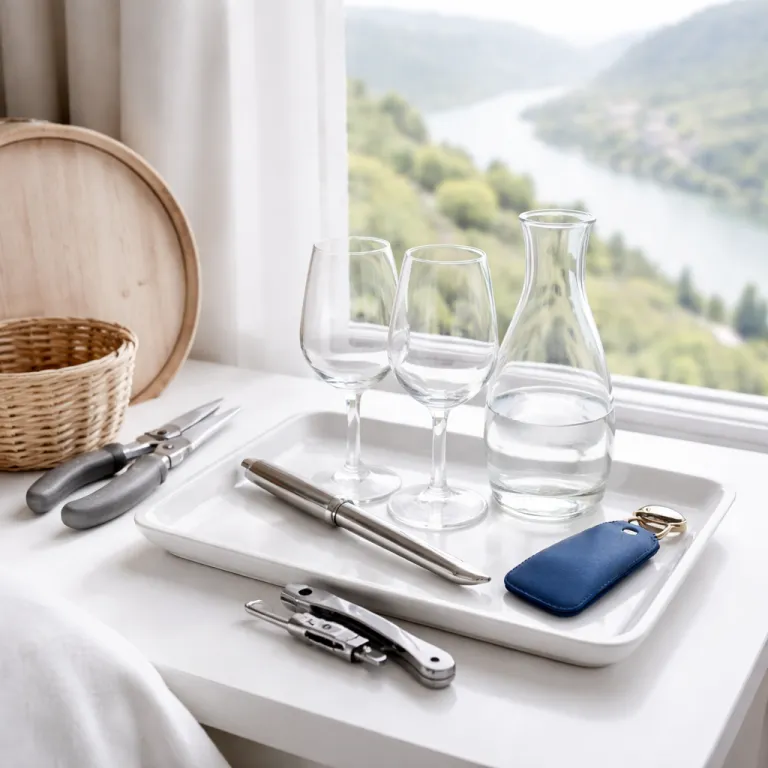
Why Moselle wine Luxembourg is perfect for a three day escape
The Moselle wine Luxembourg corridor feels made for couples who travel for taste. This compact wine region stretches along the Moselle river from Schengen to Wasserbillig, with vineyards climbing steep slopes and small villages offering a quieter rhythm than Luxembourg City. You move between cellars in minutes, not hours, which makes a long weekend of tastings feel indulgent yet effortless.
Luxembourg’s Moselle is part of the wider Moselle valley shared with Germany and France, but it has its own identity and a focus on precise white wines and Crémant de Luxembourg. Local producers work with nine main grape varieties, including Riesling, Pinot Gris, Pinot Noir and Müller Thurgau, and they farm around 1 290 hectares of vines along this river corridor. The result is a wine region where you can enjoy structured Riesling before lunch, a delicate Pinot Gris with dinner and a glass of Crémant on a terrace with a sunset view over the Moselle river.
For couples planning where to stay, the key decision is whether to sleep in the countryside or in Luxembourg City and commute to the Moselle. A countryside hotel in the Moselle Luxembourg valley puts you within a 10 minute drive of several caves and tasting rooms, which suits a relaxed wine tasting itinerary. A city base offers culture and dining, but you will spend at least 30 minutes each way on the route to the Moselle region, so you must decide whether you prefer fortress views or vineyard mornings.
Day one in Schengen and Remich: anchoring your Moselle wine story
Start your Moselle wine Luxembourg journey in Schengen, the village that gave its name to Europe’s border free travel zone. Here the Moselle river forms the natural line between Luxembourg, Germany and French Moselle, and you can stand on the quay and see vineyards in all three countries at once. It is the ideal place to understand how Germany, France and Luxembourg share this valley yet produce very different wines.
Spend your first afternoon at a family domaine or cooperative such as Domaines Vinsmoselle, a historic producer of Luxembourg wine and Crémant de Luxembourg founded in 1921. Their cellars show how traditional viticulture, hand harvesting and modern stainless steel tanks combine to express the local grape varieties with clarity. As local winemakers explain when visitors ask “What is Crémant de Luxembourg?”, it is a sparkling wine produced in Luxembourg’s Moselle region using the traditional method and the same grape varieties as the still wines.
After your first wine tasting session, drive or cycle the short route along the river to Remich, often called the pearl of the Moselle region. The promenade here offers a wide view of the Moselle river, and terraces fill with couples sharing plates of local charcuterie and glasses of Riesling or Pinot Noir. If you prefer a quieter countryside retreat slightly away from the vines, consider a refined lakeside base such as the property featured in this guide to lakeside elegance near Echternach, which keeps you within an easy drive of both the Moselle and the Müller Thurgau rich vineyards.
Day two: river road villages, cellar time and where to sleep
The second day along the Moselle wine Luxembourg corridor is about slowing down and letting the river set your pace. Follow the scenic route from Remich through Ehnen and Wormeldange, where the road hugs the Moselle river and every bend reveals another view of terraced vines. This is where you feel how compact the wine region is, with caves, tasting rooms and small hotels never far from the water.
Plan one structured visit with a vigneron, perhaps at a producer such as Clos Jangli or Caves Martin, then leave space for spontaneous stops at smaller caves along the way. Many estates focus on Riesling, Pinot Gris and Pinot Noir, but you will also find Müller Thurgau and other grape varieties that show a softer, more aromatic side of Luxembourg Moselle wines. Couples often ask how many tastings fit into a weekend; two serious appointments per day, plus one casual glass with a meal, usually keeps the experience enjoyable rather than exhausting.
When it comes to accommodation, a countryside hotel in Moselle Luxembourg has a clear advantage for this middle day. You can walk or take a short taxi ride from your room to the nearest caves, then return for a quiet evening rather than driving back to Luxembourg City after dark. If you still want an urban night before or after the river, look at a refined city base such as the property reviewed here for grand comfort and city views, and combine it with a stay in a rural hotel that offers free parking, as outlined in this guide to luxury hotels with parking included.
Day three: crossing to Germany, festivals and practical pacing
On your final day, cross the bridge from Luxembourg’s Moselle into Germany for a single contrast tasting. The German side of the Moselle region leans more heavily into Riesling, and comparing a German bottle with a Moselle wine from Luxembourg sharpens your sense of terroir. You stand in one wine region, but the shift between Luxembourg, Germany and France along the valley is clear in the glass.
Return to the Luxembourg side for lunch in a riverside village, then leave the afternoon open for a last walk or a relaxed visit to one of the caves you noted earlier. Many villages host a wine festival at least once a year, where local wines, food stalls and music turn the streets into a convivial open air tasting room. Even outside festival days, weekends bring a gentle buzz to Remich and Schengen, with cyclists, river cruisers and couples drifting between terraces to enjoy different wines by the glass.
Pacing matters on a Moselle wine Luxembourg trip, especially for couples who want to remember each wine rather than rush through a checklist. Eat something small between tastings, alternate still wines with water and keep your shipping ambitions realistic; Luxembourg’s wines are mostly consumed locally, and export remains limited, so you may want to buy directly at the domaine. If you like to document your travels, this valley rewards slow photography, with soft evening light that flattens the river and vines into gentle layers at dusk.
Driving, drivers and how to find the right countryside hotel
One of the most practical questions for a Moselle wine Luxembourg escape is whether to rent a car or hire a driver. Distances are short, but tastings add up, and local regulations on blood alcohol limits are strict, so couples should plan transport with the same care as hotel bookings. The river road is beautiful to drive, yet it is even more relaxing when one of you is not calculating how many wines you can safely enjoy before the next village.
Hiring a private driver for one full day, usually the second day when you visit several caves and villages, can be a smart compromise. You still drive yourself along the Moselle river on quieter moments, perhaps between Luxembourg City and your countryside base, but you hand over the keys when the itinerary becomes tasting heavy. This approach also lets both of you compare Riesling, Pinot Gris, Pinot Noir and Müller Thurgau side by side without worrying about who is driving back to the hotel.
To find the right countryside retreat, start by deciding how close you want to be to the river and which villages matter most to you. Some hotels sit directly on the Moselle, with rooms facing the water and easy access to Schengen or Remich, while others are tucked slightly inland with calmer surroundings and spa facilities such as thermal pools reminiscent of classic les bains destinations. When you search online, filter for properties within 10 kilometres of your key caves, then read recent guest reviews to find mentions of helpful staff, flexible breakfast hours and reliable taxi contacts, because these details shape how smoothly your wine region weekend will run.
Food, photography and small details that elevate your Moselle stay
Wine may be the headline, but food quietly defines how you remember Moselle wine Luxembourg. Local restaurants lean into French and Luxembourgish influences, pairing freshwater fish or river crayfish with crisp Riesling, and richer dishes with Pinot Noir or structured Pinot Gris. Between tastings, simple plates of cheese, bread and charcuterie keep your palate fresh and your energy steady.
Breakfast deserves attention too, especially if you plan several tastings each day. Look for hotels that serve generous spreads with fruit, eggs and something sweet, because a light pancake or crêpe can be surprisingly useful when you want to feel restored before a long walk through the vines. Couples who enjoy photography will appreciate how the Moselle river, the neat rows of vines and the changing light create natural frames that invite you to slow down and compose each shot.
Small rituals help you connect more deeply with the Moselle Luxembourg landscape. Take ten minutes each evening to sit outside, even if only on a small balcony, and look across the river towards the German or French Moselle slopes while you enjoy one last glass from a bottle you bought that day. As you leave, you will likely find that the wines, the quiet villages and the easy movement between Luxembourg City and the countryside have given you a sense of scale that feels rare in such a compact wine region.
FAQ about Moselle wine Luxembourg stays
What makes Luxembourg’s Moselle wine region different from neighbouring areas ?
Luxembourg’s Moselle focuses strongly on dry white wines and Crémant de Luxembourg, produced from grape varieties such as Riesling, Pinot Gris, Pinot Noir and Müller Thurgau. The vineyards are compact, running roughly 42 kilometres along the river between Schengen and Wasserbillig, which makes it easy to visit several caves in a single day. Compared with the German and French Moselle, estates here are smaller and tastings often feel more intimate.
Do I need a car to explore the Moselle wine Luxembourg corridor ?
A car or hired driver is the most flexible way to move between villages like Remich, Ehnen and Wormeldange. Distances are short, but public transport does not always align with cellar opening hours, especially on a weekend. Many couples rent a car for the full trip, then book a driver for one tasting heavy day.
Which grape varieties should I focus on during tastings ?
Riesling is the flagship grape of Luxembourg Moselle, showing the clearest expression of the region’s slate and limestone soils. Pinot Gris and Pinot Noir are also important, alongside Müller Thurgau and Auxerrois, which often appear in blends or lighter styles. If you enjoy sparkling wines, ask specifically for Crémant de Luxembourg, which uses these same grape varieties in traditional method bottlings.
How many tastings fit comfortably into a Moselle weekend ?
For most couples, two structured tastings per day, plus one casual glass with a meal, keeps the experience enjoyable. This pace allows time for walking, photography and unplanned stops without rushing from one cave to another. It also helps you remember individual wines rather than blending them into a single impression.
Is it better to stay in Luxembourg City or in the countryside ?
Staying in the Moselle countryside puts you closer to the vineyards and reduces driving after tastings. A Luxembourg City base works well if you want museums, shopping and a wider choice of restaurants, but you should allow at least 30 minutes each way to reach the river. Many couples split their stay, spending one or two nights in the city and the rest in a riverside hotel.