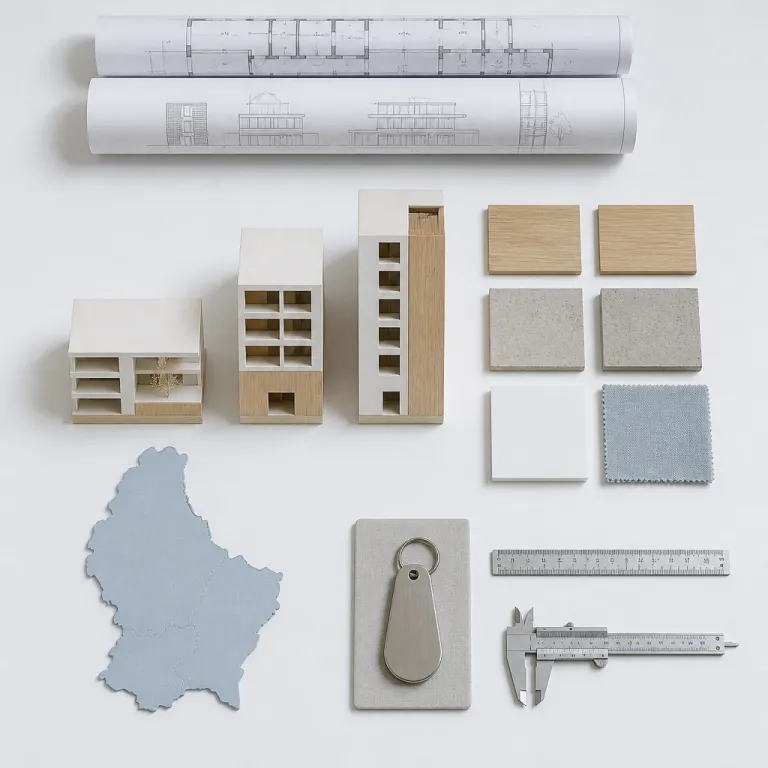
Hotel Luxembourg review through the lens of the Architecture Prize
Luxembourg City has become a quiet laboratory for serious architecture. The national Architecture Prize, officially the Prix d’Architecture du Luxembourg, rewards buildings that balance sustainability, heritage dialogue and social cohesion, and a thoughtful review of hotels in Luxembourg should apply the same criteria. For travelers, this means that the best luxury hotels in the city are not only comfortable rooms but also case studies in how a dense European capital can grow without losing its soul.
The Architecture Prize sits in a wider constellation of awards that includes the Pritzker Architecture Prize and the EU Prize for Contemporary Architecture / Mies van der Rohe Award, which has been granted every two years since 1988. While global juries debate projects by practices such as Lacaton & Vassal, Grafton Architects or MVRDV, Luxembourg quietly refines its own standards for buildings that respect context while embracing Energy Class A norms. When you read any serious hotel reviews for the capital, you should expect the same rigor that a jury would apply during site visits, not just comments about a breakfast served on time.
The city’s UNESCO listed Old Town and fortifications impose strict rules on what can be built or transformed. That constraint has pushed several high end hotels to work with adaptive reuse, turning former offices or residential blocks into contemporary hospitality spaces where each window opens onto layered history rather than generic skylines. A well written review of a hotel in Luxembourg therefore needs to look beyond whether staff were welcoming and ask how the building itself participates in the urban story.
Where heritage meets hospitality in Luxembourg City
In the upper city, near the Haute Ville, you feel the tension between preservation and performance in every façade. Many luxury hotels occupy pre war or mid century shells, and the best of them treat each guest room as a dialogue between original materials and new technology. When you have stayed in one of these properties, you notice how a carefully restored stairwell or an original stone wall can make a short weekend stay feel rooted rather than anonymous.
One example often cited in a detailed Luxembourg hotel review is Sofitel Luxembourg Le Grand Ducal, designed by architect Philippe Capron and opened in 2008, a property that has been mentioned among architecturally notable hotels in the country. Its elevated position gives a panoramic view over the Pétrusse valley, and almost every room window opens onto a cityscape where the UNESCO fortifications and the glass of Kirchberg coexist. On national celebration nights, when the city fills for major festivities, this kind of vantage point becomes as important as any spa amenity, and you can plan where to stay for big events by reading a detailed guide such as where to stay and celebrate Luxembourg’s biggest night.
Heritage sensitive hotels also understand social cohesion as more than a buzzword. Public areas are designed so that international business guests, local diners and weekend visitors share the same bar or lobby without friction, and the way breakfast is served often reflects this mix of audiences. When you book, look for hotel reviews that mention how the main content of the ground floor is organized, whether there are generous lounges where a guest can work in English or French, and whether the staff welcoming you feel like a multilingual équipe rather than a scripted front desk.
Energy Class A, sustainability and the new Luxembourg hotel
Luxembourg’s building regulations now require new constructions to meet strict Energy Class A standards, and this has reshaped how premium hotels are conceived. For the traveler reading a review of a hotel in Luxembourg City, that translates into better insulation, quieter rooms and more stable temperatures, especially in properties built or fully renovated under these norms. The most forward looking hotels treat sustainability as an architectural starting point rather than an afterthought on a corporate slide.
In practice, this means triple glazed windows that still open for fresh air, façades that filter light without overheating rooms, and mechanical systems hidden behind clean lines. When you have stayed in both older and newer hotels in the city, you quickly notice how a well insulated room near a busy bus route or station can feel almost monastic inside. A good review will mention whether a room window opens safely, how the ventilation behaves at night and whether the lighting design supports both work and rest.
Car free mobility is another piece of the sustainability puzzle. Luxembourg’s nationwide free public transport, introduced in 2020, makes it realistic to choose a hotel based on architecture and neighborhood character rather than parking alone, and you can even focus on luxury stays reachable entirely by free public transport. When you book through a curated Luxembourg website, check whether the property description explains how to reach the hotel by tram or bus from the main station, and whether the hotel reviews mention easy access to the city’s cultural venues without relying on a car.
From London to Luxembourg: reading hotel reviews like an architecture jury
Travelers used to London or New York often approach a hotel search with a checklist of amenities. In Luxembourg City, where the scale is smaller and the architectural stakes higher, it pays to read each review of a hotel in Luxembourg as if you were on a prize jury. Ask how the building relates to its street, what kind of social life the lobby encourages and whether the design language feels genuinely local.
Consider how you would evaluate a property near the central station, for example. A hotel that faces the tracks might use deep window reveals and acoustic glazing so that each room becomes a calm retreat, while public areas open toward a quieter side street with trees and cafés. When a reviewer writes that they stayed in a corner room and slept well despite the location, that is often the result of careful planning rather than luck.
The same applies to digital experience, which is part of architecture in a broader sense. A well designed Luxembourg website for a hotel should let you skip to the main content easily, present clear floor plans and show how rooms differ beyond just size labels. When you read hotel reviews on platforms or even on a hotel’s own Facebook page, look for comments about how intuitive the booking flow felt, whether staff were welcoming in English and other languages, and how quickly the team responded when a guest asked to change room type or extend a stay by a day.
Case study: station area classics and castle conversions
The station district, with its mix of Art Deco and post war blocks, is where you feel the city’s architectural evolution most intensely. Here, long established properties such as the Hotel Carlton, a station area classic dating back to the early 20th century, show how incremental renovation can keep a building relevant without erasing its character. A thoughtful review of a stayed hotel in this area will often mention how the lobby has been refreshed while the staircases and proportions still whisper another era.
When you read about the Hotel Carlton or similar hotels near the station, pay attention to how guests describe their rooms and public spaces. Do they mention that the staff were welcoming in English and other languages, that breakfast was served in a light filled room where a tall window opens onto the street, or that the décor respects the original structure instead of fighting it. Repeated comments about quiet rooms despite a busy bus corridor usually indicate serious investment in insulation and layout, not just thick curtains.
Beyond the station, some of the country’s most atmospheric stays are in historic castles and manor houses converted into hotels. These properties embody the adaptive reuse celebrated by the Architecture Prize, and you can explore them in depth through guides to sleeping inside Luxembourg’s castle walls. When you book one of these hotels for a short weekend, read hotel reviews that describe how the main content of the building has been reprogrammed, whether public salons encourage social cohesion among guests, and how sensitively modern rooms have been inserted into centuries old stone.
FAQ
How does the Architecture Prize influence hotel design in Luxembourg City ?
The Architecture Prize in Luxembourg highlights projects that combine sustainability, dialogue with existing architecture and social cohesion, and these themes have filtered into high end hotel design. Many new or renovated hotels now prioritize Energy Class A performance, adaptive reuse of existing structures and generous public spaces that encourage interaction among guests and locals. When you read a detailed review of a hotel in Luxembourg City, you will often see references to these elements, even if the prize itself is not mentioned explicitly.
Are there award winning or architecturally notable hotels in Luxembourg ?
Luxembourg does have hotels that are regularly cited for their architecture and design quality, even if they are not always formal prize winners. Sofitel Luxembourg Le Grand Ducal is one example that has been recognized in discussions of notable hotels thanks to its dramatic views and contemporary architecture overlooking the UNESCO listed Old Town. A careful Luxembourg hotel review will usually highlight how such properties balance striking design with comfort, acoustics and thoughtful circulation.
What should design conscious travelers look for when booking a hotel in Luxembourg ?
Design focused travelers should look beyond surface décor and examine how a hotel’s architecture supports their stay. Key indicators include how rooms are oriented toward views, whether a window opens safely for fresh air, how public spaces are arranged for both work and socializing and whether the building engages respectfully with its street or historic surroundings. Reading detailed hotel reviews and studying floor plans or photography on a Luxembourg website can help you judge these aspects before you book.
Is it easy to stay car free in Luxembourg while focusing on architecture ?
Luxembourg’s nationwide free public transport makes it unusually easy to explore the city’s architecture without a car. Many of the most interesting hotels sit within a short walk of a tram or bus stop, and routes connect the central station, Kirchberg, the Old Town and cultural institutions efficiently. When planning a design oriented trip, you can prioritize hotels with strong architectural character and then use public transport to move between neighborhoods and award winning buildings.
How do international architecture awards relate to Luxembourg’s hotel scene ?
Global awards such as the Pritzker Architecture Prize and the EU Prize for Contemporary Architecture set benchmarks for innovation, sustainability and contextual sensitivity that influence architects everywhere, including in Luxembourg. The recognition of practices like Lacaton & Vassal, Grafton Architects and MVRDV underscores a broader shift toward adaptive reuse and community focused design, themes that also appear in the country’s best hotels. As a result, a serious Luxembourg hotel review today often reads as much like an architectural critique as a traditional hospitality write up.